



Table of Contents
- Why Seniors Need Specialized Chiropractic Care
- Common Conditions Chiropractors Treat in Older Adults
- How to Choose a Chiropractor for Your Needs
- What to Expect at Your First Chiropractic Appointment
- Gentle Chiropractic Adjustments for Seniors
- Chiropractic Care That Accepts Medicare
- Safety, Risks, and Treatment Modifications
- Building a Long-Term Wellness Plan
Last Updated: October 18, 2026
Why Seniors Need Specialized Chiropractic Care
A chiropractor for seniors in Fort Worth offers specialized care that addresses the unique musculoskeletal challenges older adults face. General chiropractic care may not account for these changes, which is why seniors benefit from practitioners who understand age-related modifications and gentle adjustment techniques.
At Gateway Chiropractic, we recognize that seniors often carry years of accumulated spinal stress from work, posture habits, and previous injuries. A customized approach that targets the root cause, rather than just masking pain, can restore mobility and independence. Many seniors discover that addressing spinal alignment improves not only pain but also balance, sleep quality, and overall energy levels.
The nervous system controls every function in your body, including healing and recovery. When vertebrae misalign, they can interfere with nerve function, creating pain, stiffness, and reduced mobility. Seniors who receive corrective chiropractic care often report feeling more confident moving through their day, climbing stairs more easily, and enjoying activities they thought they’d lost forever.
Common Conditions Chiropractors Treat in Older Adults
Seniors experience specific musculoskeletal conditions that respond well to chiropractic care. Understanding these conditions helps you recognize whether chiropractic treatment might help your situation.
Back Pain and Spinal Health
Lower back pain ranks among the most common complaints seniors bring to chiropractic clinics. Degenerative disc disease, arthritis, and muscle weakness combine to create chronic discomfort that limits daily activities. A chiropractor for seniors evaluates spinal alignment, disc health, and supporting muscles to identify the root cause rather than just treating the symptom.
Corrective adjustments can restore proper alignment, reducing pressure on discs and nerves. Many seniors find that combining spinal adjustments with therapeutic exercises strengthens the muscles supporting the spine, creating lasting improvement. Unlike pain medications that mask the problem, this approach addresses why the pain started in the first place.
Gateway Chiropractic uses precise spinal analysis with X-ray guidance to develop treatment plans specific to each patient’s spinal condition. This technology-driven approach ensures adjustments target the exact areas causing dysfunction.
Neck Pain and Stiffness
Neck stiffness and pain often stem from poor posture, reduced disc height, or cervical misalignment accumulated over decades. Seniors frequently describe a limited range of motion that makes turning their head difficult or painful. This restriction can affect balance, increase fall risk, and reduce quality of life.
Gentle cervical adjustments restore mobility and reduce nerve interference. Many older adults notice improved headache frequency, better sleep position comfort, and reduced shoulder tension after addressing cervical alignment. The neck region demands especially careful technique in seniors, as the bones and ligaments are more delicate than in younger patients.
Therapeutic exercises that strengthen neck stabilizers help maintain improvements long-term. A chiropractor for seniors will teach you movements you can do daily to support your progress.
Joint Pain and Mobility Issues
Arthritis, stiffness, and reduced range of motion affect joints throughout the body, shoulders, hips, knees, and ankles. While chiropractic care focuses primarily on the spine, spinal alignment directly influences how other joints function. When the spine is misaligned, it creates compensatory stress patterns that aggravate joint pain elsewhere.
Correcting spinal alignment often reduces joint pain and improves mobility. Seniors report being able to reach overhead, bend, and move more freely after receiving consistent chiropractic care. Combined with therapeutic exercise, this approach addresses the nervous system and musculoskeletal foundation that supports all movement. A recent Study from 2025 JAMA called the PACBACK Acute clinical trial showed that Chiropractic style Adjustments can be effective for the treatment of Acute Low Back Pain. And a 2026 study from JAMA called the PACKBACK Prevention Study showed that Chiropractic Adjustments was effective at reducing the risk of Chronic impactful Low Back Pain compared to Medicine alone.
How to Choose a Chiropractor for Your Needs
Selecting the right chiropractor matters, especially for seniors who need practitioners experienced in age-appropriate modifications. Several key factors distinguish practitioners who excel with older adults.
Credentials and Experience With Older Adults
Verify that your chiropractor holds a current license and has completed accredited training. Ask directly how many senior patients they treat and whether they have specific experience managing conditions common in older adults, arthritis, osteoporosis, balance issues, and medication interactions.
A qualified chiropractor for seniors should ask detailed questions about your medical history, current medications, and any previous injuries. They should explain how they modify techniques for your specific needs rather than using a one-size-fits-all approach. Experience with imaging interpretation (X-rays, sometimes MRI) is essential for accurate diagnosis.
Gateway Chiropractic’s team includes practitioners with extensive experience treating older adults. Dr. Aaron Wall and Dr. Terance Carter use advanced diagnostic technology to understand each patient’s unique spinal condition before adjusting.
Clinic Accessibility and Convenience
Physical accessibility matters when you’re managing mobility challenges. Look for clinics with convenient parking, minimal stairs, comfortable waiting areas, and accessible restrooms. Long wait times frustrate seniors, so ask about typical appointment duration and scheduling flexibility.
A good clinic accommodates caregiver attendance if you need support during appointments. Some seniors appreciate clinics offering walk-in availability for urgent flare-ups, while others prefer scheduled appointments to plan transportation.
Consider location and hours. A nearby clinic with flexible scheduling removes barriers to consistent care, which is essential for long-term improvement. Ask whether the clinic offers telehealth consultations for follow-up questions.
What to Expect at Your First Chiropractic Appointment
Understanding what happens during your first visit reduces anxiety and helps you prepare. Most initial appointments for seniors last 45-60 minutes and include thorough evaluation before any adjustment occurs.
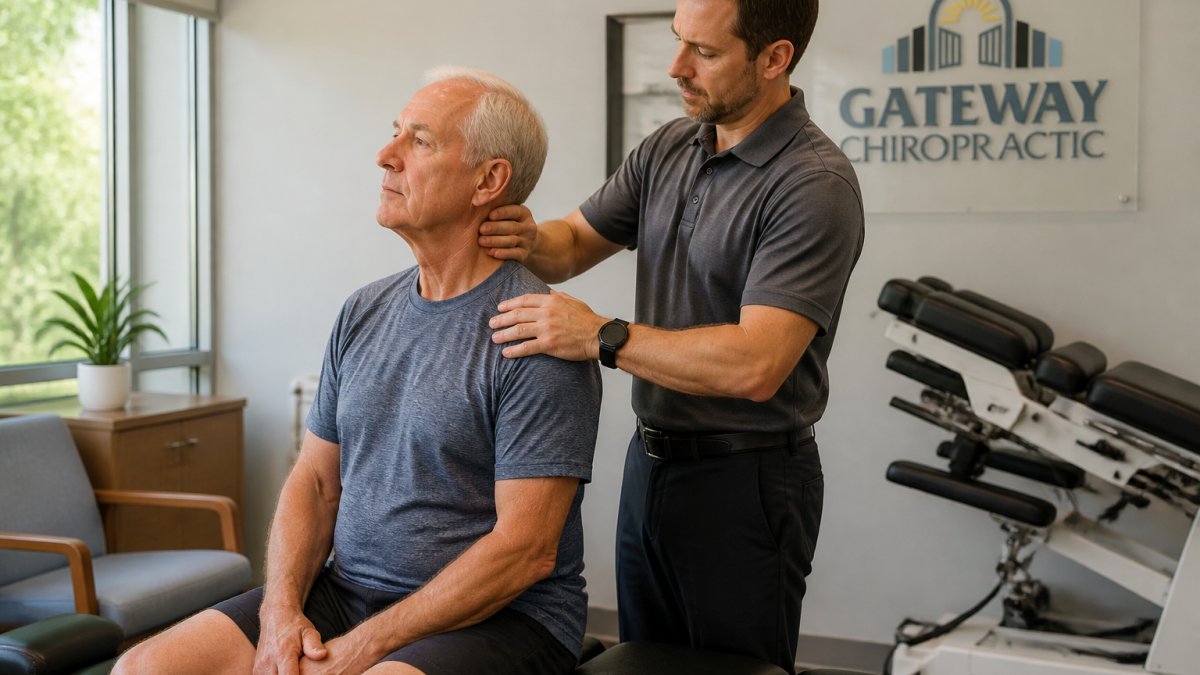
Your chiropractor will ask detailed questions about your health history, current pain, mobility limitations, and lifestyle. Be honest about previous injuries, surgeries, and medications, this information guides safe treatment decisions.
Many clinics use X-rays or other imaging to visualize your spine’s exact condition.
Your first adjustment typically occurs during this initial visit, though some practitioners prefer waiting until after reviewing imaging. Expect the adjustment to feel different than you might imagine, it’s not always forceful.
Gentle Chiropractic Adjustments for Seniors
Gentle adjustment techniques prioritize safety while still correcting spinal misalignment. Seniors benefit from practitioners who understand how to modify force and technique for age-related changes in bone density and tissue elasticity.
Activator-assisted adjustments use a small handheld instrument to deliver precise, low-force impulses to specific vertebrae. This technique works well for seniors who prefer gentler approaches or have osteoporosis concerns.
Drop-table techniques use a specialized table section that drops slightly during adjustment, using gravity to assist the correction. This method requires less force from the practitioner and feels less jarring to many seniors.
Soft-tissue therapy and myofascial release often accompany gentle adjustments. These techniques address muscle tension and trigger points that contribute to pain and stiffness. Many seniors find that combining spinal adjustment with soft-tissue work produces better results than adjustment alone.
Always communicate with your chiropractor about comfort levels. A practitioner experienced with seniors will adjust their technique based on your feedback and response.
Chiropractic Care That Accepts Medicare
Medicare coverage for chiropractic care is limited but available. Medicare Part B covers chiropractic adjustments only when medically necessary to treat acute conditions, not for wellness or maintenance care. Coverage may vary depending on your specific plan.
To use Medicare benefits, your chiropractor must be Medicare-enrolled and bill appropriately. Not all chiropractors accept Medicare, so confirm this before scheduling. Some practitioners accept Medicare assignment, meaning they bill Medicare directly and you pay only your copay. Others may require you to pay upfront and submit claims yourself.
Gateway Chiropractic works with patients to navigate insurance coverage and maximize available benefits. Discussing financial arrangements during your first appointment helps you plan treatment confidently.
|
Coverage Type |
Typical Coverage |
Best For |
|---|---|---|
|
Medicare Part B |
Limited to acute conditions, ~20 visits/year |
Seniors with acute pain or injury |
|
Supplemental Insurance (Medigap) |
Varies by plan; may cover additional visits |
Those with existing Medigap policies |
|
Medicare Advantage |
Often includes chiropractic as added benefit |
Seniors enrolled in MA plans |
|
Out-of-pocket |
Full cost paid by patient |
Those without insurance coverage |
Safety, Risks, and Treatment Modifications
Chiropractic care is generally safe when provided by qualified practitioners, but seniors require specific precautions. Age-related changes in bone density, medication interactions, and existing conditions demand careful assessment before treatment.
Osteoporosis increases fracture risk during adjustment. A practitioner experienced with seniors uses imaging to assess bone density and modifies technique accordingly. Gentler methods and lighter force reduce risk while still correcting misalignment.
Certain medications affect healing and pain perception. Blood thinners require adjustment technique modifications. Anti-inflammatory medications can mask pain signals that normally guide treatment intensity.
Cervical (neck) adjustments carry specific considerations in seniors. Some practitioners prefer gentler techniques or avoid high-velocity adjustments in this region for older patients with significant degenerative changes. Discuss any concerns about neck treatment openly.
Building a Long-Term Wellness Plan
Sustainable improvement comes from consistent care combined with home exercises and lifestyle modifications. A long-term wellness plan addresses your current pain while preventing future problems.
Your chiropractor should teach you exercises that strengthen spinal stabilizers and improve posture. These movements, done daily or several times weekly, maintain improvements between appointments and reduce relapse risk.
Posture awareness prevents many common senior complaints. Poor sitting posture compresses discs and strains neck muscles. A chiropractor for seniors helps you recognize postural habits and make corrections that protect your spine throughout the day.
Ergonomic modifications at home, proper pillow height, chair support, and sleeping position, reduce nighttime strain and support daytime improvements. Your practitioner can recommend specific adjustments tailored to your situation.
Regular chiropractic visits, even after acute pain resolves, help maintain alignment and prevent recurrence. Many seniors benefit from monthly or quarterly maintenance appointments. This preventive approach costs less than treating recurring acute flare-ups and keeps you feeling your best.
Chronic pain and reduced mobility don’t have to be inevitable parts of aging. Our team uses advanced diagnostic technology to understand your unique spinal condition and develops treatment plans specifically for older adults. Schedule your appointment today and discover how corrective chiropractic care can help you feel better, move better, and reclaim activities you love.
